

Painful Pubic Bone Pain?
Pubic bone pain during pregnancy can be both unsettling and limiting. Many expecting mothers first notice it as a sharp, pulling, or burning sensation when climbing stairs, getting in or out of a car, rolling over in bed, or taking uneven steps. For some, walking itself begins to feel uncomfortable or unpredictable.
This type of pain often arrives suddenly and can make everyday movement feel intimidating. While pubic bone pain is common during pregnancy, it is not something you are expected to simply “push through.” With appropriate support and pelvic-focused care, many mothers find meaningful relief and greater confidence in how they move throughout the day.
At Legacy Family Chiropractic in McKinney, Texas, Dr. Amber Galipp-Leger provides prenatal chiropractic care designed to support pelvic balance, comfort, and functional movement as pregnancy progresses. Expecting mothers from McKinney, Allen, Frisco, Prosper, and across the greater DFW area often seek care when pubic bone pain or pelvic instability begins to interfere with daily life.
What Is Pubic Bone Pain During Pregnancy?
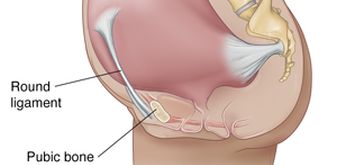
Pubic bone pain is commonly associated with discomfort at the pubic symphysis—the joint where the left and right sides of the pelvis meet at the front of the body. During pregnancy, hormonal changes increase ligament flexibility to allow the pelvis to adapt for childbirth. While this process is normal and necessary, it can sometimes lead to uneven pelvic motion or instability.
When one side of the pelvis moves differently than the other, increased stress may be placed on the pubic joint. This can result in pain that feels sharp, pulling, aching, or burning, particularly during movements that load one side of the body at a time.
Understanding that this pain often relates to pelvic mechanics—not damage—can be reassuring for mothers who worry that something is wrong or worsening with their pregnancy.
Common Signs and Symptoms
Mothers experiencing pubic bone pain during pregnancy often notice discomfort tied to specific, everyday movements rather than constant pain at rest. Common triggers include climbing stairs, getting in or out of a car, rolling over in bed, or standing on one leg to get dressed.
Some women also describe clicking, grinding, or a feeling of instability in the pelvic area. These sensations can understandably cause concern, especially when pain appears suddenly or intensifies as pregnancy progresses and movement becomes more challenging.
Recognizing these patterns can help differentiate pubic bone pain from other types of pregnancy-related discomfort and guide appropriate next steps.
Why Pubic Bone Pain Develops
Every pregnancy is unique, but pubic bone pain often develops in response to how the pelvis adapts to physical and hormonal changes. As ligament support increases and the body’s center of gravity shifts, the pelvis must remain coordinated to distribute forces evenly.
When the left and right sides of the pelvis do not move in sync—particularly at the sacroiliac joints and pubic symphysis—surrounding muscles and ligaments may tighten in an effort to stabilize the area. Over time, this compensation can increase strain and discomfort rather than resolve it.
Postural changes, altered gait, prior pelvic injuries, or habitual asymmetrical movement patterns can all influence how stress is distributed across the pelvis during pregnancy, contributing to the onset or persistence of pubic bone pain.
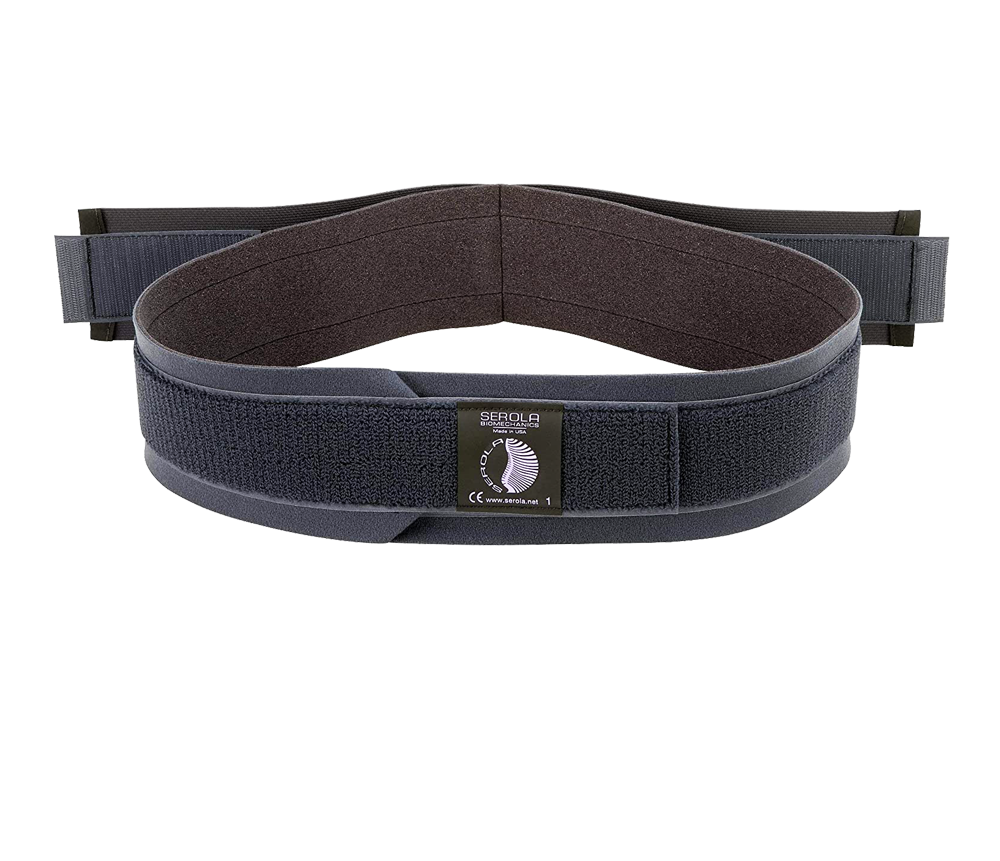
Our Friends At Serola Biomechanics
For many moms experiencing pelvic or pubic bone discomfort, we often recommend a supportive sacroiliac belt like the Serola Sacroiliac Belt. During pregnancy, hormones cause ligaments to become more flexible to prepare for delivery, which can lead to increased motion and strain around the sacroiliac and pubic joints. Providing gentle external support can help the pelvis feel more stable, reduce daily strain, and allow muscles and ligaments to rest. After delivery, continued support can assist the body as ligaments gradually return to their pre-pregnancy tension and alignment. Used alongside gentle movement, positioning awareness, and your care plan, this kind of support can help you feel more comfortable throughout pregnancy and early postpartum.
How Prenatal Chiropractic Care Can Help
Prenatal chiropractic care for pubic bone pain focuses on restoring balanced movement within the pelvis and reducing unnecessary tension in the surrounding tissues. Care is always adapted to pregnancy and centered on comfort, safety, and gentle support.
Dr. Amber uses pregnancy-appropriate techniques to evaluate pelvic alignment, joint coordination, and movement patterns. The goal is not forceful correction, but improved communication between the joints and muscles that stabilize the pelvis. When pelvic motion becomes more balanced, stress placed on the pubic symphysis may decrease, allowing daily movements to feel more manageable.
Many mothers appreciate that this approach also supports overall pelvic function as the body prepares for labor and delivery, without making guarantees or promises about outcomes. Care is conservative, individualized, and responsive to how your body is changing throughout pregnancy.
Supporting Comfort and Mobility as Pregnancy Progresses
Addressing pubic bone pain early can help reduce fear around movement and make everyday activities feel less intimidating. Many mothers seek care because they want to remain active, walk with more confidence, and change positions without anticipating pain.
Prenatal chiropractic care may be paired with simple, practical guidance related to movement habits, posture, or positioning that supports pelvic balance between visits. Any recommendations are individualized and aligned with your comfort level, stage of pregnancy, and overall prenatal plan.
The goal is to help you feel more stable, supported, and confident in how your body is adapting as pregnancy progresses.
Serving McKinney and the Greater DFW Area
Legacy Family Chiropractic is located in McKinney, Texas and works with expecting mothers from Allen, Frisco, Prosper, and surrounding North Dallas and DFW communities who are experiencing pubic bone pain or pelvic instability during pregnancy. Many women reach out after realizing that simple activities—walking, climbing stairs, or getting out of a car—have become unexpectedly painful.
Expecting mothers often seek care here when they want a conservative, pregnancy-informed approach that is clearly explained and respectful of their overall prenatal care. Rather than being told to simply tolerate discomfort, they are looking for support that helps them understand what their body is doing and why certain movements hurt.
Dr. Amber Galipp-Leger works with mothers who value thoughtful evaluation, calm communication, and collaborative care. The focus is on comfort, gentle support, and helping you feel more confident in your movement as pregnancy progresses, while encouraging coordination with your OB or midwife.
FUN FACT: Dr. Amber says that if she had to do her career over again, she’d love to be a midwife.
When to Seek Support for Pubic Bone Pain
If pubic bone pain is affecting your ability to walk comfortably, move confidently, or enjoy daily activities, it may be time to explore supportive care options. While this type of pain is common during pregnancy, it should always be evaluated in the context of your overall health and pregnancy.
Prenatal chiropractic care is commonly used alongside medical monitoring, not in place of it. Always consult your OB or midwife regarding pelvic pain, symptom changes, and delivery planning.
Don’t Ignore Pubic Bone Pain During Pregnancy—Take Action Today
If you are frequently experiencing pubic bone pain, difficulty walking, or discomfort with everyday movements, addressing underlying pelvic imbalance early may help prevent symptoms from worsening as your body continues to change.
At Legacy Family Chiropractic, Dr. Amber Galipp-Leger helps expecting mothers understand what may be contributing to their discomfort and take proactive, pregnancy-safe steps toward improved mobility and comfort.
Call (214) 880-6330 today to schedule a prenatal pelvic evaluation and learn what may be affecting your comfort as your body prepares for birth.
Medical disclaimer: This page is for educational purposes only and does not replace medical advice, diagnosis, or treatment. Always consult your OB or midwife regarding pelvic pain, monitoring, and delivery planning.