

Infant Tension and Movement Asymmetry in Babies
Licensed Prenatal Chiropractor in McKinney, TX Explains:
The early weeks and months of a baby’s life are often a blend of joy, exhaustion, and uncertainty—especially when something doesn’t seem quite right. Many parents notice subtle but persistent patterns: a baby who prefers turning their head to one side, feels unusually stiff or tense, struggles with certain positions, or becomes easily frustrated when moving or settling. While these signs can be easy to dismiss at first, over time they often raise important questions.
Infant tension and movement asymmetry are more common than many families realize. Birth itself—even when uncomplicated—is a physically demanding process for a baby’s developing body. When tension patterns or movement restrictions linger, they can influence how comfortably a baby moves, feeds, and regulates their nervous system.
At Legacy Family Chiropractic in McKinney, Texas, Dr. Amber Galipp-Leger provides gentle, infant-specific chiropractic care focused on supporting comfort, movement, and nervous system regulation. Families across McKinney, Allen, Frisco, Prosper, and the greater DFW area often seek care when they want a calm, thoughtful evaluation of what may be contributing to their baby’s tension or asymmetry.
Understanding Infant Tension and Asymmetry
Infant tension refers to patterns of stiffness, imbalance, or restricted movement that affect how a baby holds their head, turns their neck, arches their back, or tolerates certain positions. Some babies feel rigid or difficult to settle, while others resist tummy time or appear uncomfortable when placed on one side.
These patterns often develop when a baby favors one position or side of the body. Over time, muscles and connective tissues adapt to that preference, reinforcing asymmetry rather than resolving it on its own. While mild asymmetry can fall within typical development, persistent patterns may place extra strain on a baby’s growing body.
It is important to note that infant tension is not a diagnosis. Instead, it is a descriptive way of understanding how a baby’s body is adapting—or struggling to adapt—to early physical and mechanical demands.
How Movement Patterns Affect Comfort and Regulation
A baby’s nervous system relies on free, balanced movement to support comfort, digestion, sleep, and regulation. When tension is present, the nervous system may remain in a heightened state, making it harder for babies to settle, self-soothe, or transition between activities.
Parents often notice this as increased fussiness, difficulty calming, or resistance to certain movements or positions. These responses are not behavioral choices, but rather signs that a baby’s body may be working harder than it should to adapt.
Supporting balanced movement can help reduce unnecessary strain on the nervous system, allowing a baby to experience greater ease and comfort in everyday activities.
How Gentle Chiropractic Care Supports Infants
Infant chiropractic care looks very different from adult care. Techniques are gentle, precise, and specifically adapted to a baby’s developing nervous system and delicate structures. Adjustments involve light, specific pressure—often compared to the amount used to test the ripeness of a tomato.
Dr. Amber evaluates how an infant’s spine, neck, and pelvis are moving as a whole rather than focusing on isolated symptoms. The goal is to reduce areas of restriction that may be interfering with comfortable movement and coordination.
Care is never positioned as a cure or a guarantee. Instead, it is offered as supportive care aimed at improving comfort, mobility, and a baby’s ability to move and adapt more easily over time.

The Breech Relation
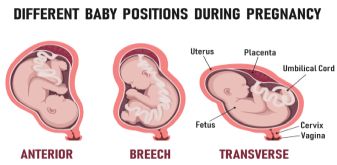
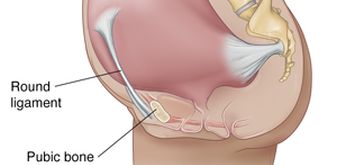
Dr. Amber frequently guides expecting mothers to the Spinning Babies® Aware Practitioner resources when addressing breech presentation or ongoing pelvic discomfort during pregnancy. Dr. Amber is one of only three Aware Practitioners in the greater DFW area and integrates these principles into care by focusing on pelvic balance, soft-tissue tension, and functional movement. In the office, she also teaches specific, pregnancy-safe stretches and positions that many mothers continue at home. These same techniques are often helpful for concerns such as pubic bone pain or uneven pelvic strain. The goal is not to “turn” a baby, but to support comfort, balance, and space—helping mothers feel informed, empowered, and supported throughout pregnancy.
Collaborative Care With Pediatric Specialists
Some babies with tension or asymmetry may also benefit from additional support beyond chiropractic care. At Legacy Family Chiropractic, collaboration is a core value.
Valerie Cantu, OTR, MOT, DMI (Level C), provides advanced occupational therapy focused on motor development and movement coordination for infants and children with gross motor challenges. When appropriate, chiropractic and occupational therapy care may complement one another to support a baby’s development.
For babies experiencing feeding-related challenges alongside body tension, collaboration with Brooke Doak, BSN, RN, IBCLC, allows families to receive evidence-based lactation support while also addressing physical comfort and positioning.
Related Infant Concerns
Infant tension often overlaps with other concerns parents may notice. In some cases, tension patterns are associated with:
-
Head preference or torticollis
-
Feeding or latching challenges
These topics are explored in greater depth on their own pages, as they benefit from focused discussion and provider-specific expertise.
Serving McKinney and the Greater DFW Area
Legacy Family Chiropractic is located in McKinney, Texas and serves families from Allen, Frisco, Prosper, and surrounding North Dallas and DFW communities. Many parents reach out after noticing patterns that do not resolve on their own and want a clearer, more grounded understanding of what their baby may be experiencing.
Our approach is calm, conservative, and collaborative—focused on careful evaluation, clear explanation, and supportive care that works alongside pediatric and specialty providers.
When to Consider Support for Your Baby
If your baby consistently prefers one side, shows signs of stiffness or imbalance, struggles with certain movements, or seems uncomfortable settling, it may be helpful to explore supportive care options. Early evaluation can help clarify whether movement patterns fall within typical variation or whether gentle support may be beneficial.
Infant chiropractic care is commonly used alongside routine pediatric care and does not replace medical evaluation. Always consult your pediatrician regarding developmental concerns or changes in your baby’s behavior.
Don’t Ignore Infant Tension—Support Comfort Early
If you’re noticing ongoing stiffness, head preference, or difficulty with movement in your baby, early support may help address underlying tension before patterns become more established.
At Legacy Family Chiropractic, Dr. Amber Galipp-Leger works with families to better understand what may be contributing to their baby’s discomfort and provides gentle, age-appropriate care focused on comfort and movement.
Call (214) 880-6330 today to schedule an infant evaluation and discuss whether supportive care may be appropriate for your baby.
Medical disclaimer: This content is for educational purposes only and does not replace medical advice, diagnosis, or treatment. Always consult your pediatrician regarding infant health, feeding concerns, and developmental milestones.