

Treating Back Pain and Pelvic Discomfort During Pregnancy
Back pain during pregnancy is extremely common, yet it is often minimized or treated as something mothers are simply expected to endure. For many women, discomfort begins gradually and increases as pregnancy progresses, affecting sleep, mobility, work responsibilities, and overall quality of life. What may start as mild stiffness can evolve into persistent pain that interferes with everyday movement and rest.
Pregnancy places increasing demands on the spine and pelvis as posture shifts, ligaments loosen, and the body’s center of gravity changes. These changes require constant physical adaptation. When that adaptation becomes uneven or strained, discomfort often follows—not because something is “wrong,” but because the body is working harder to compensate.
At Legacy Family Chiropractic in McKinney, Texas, Dr. Amber Galipp-Leger provides prenatal chiropractic care focused on supporting pelvic balance, spinal alignment, and functional movement throughout pregnancy. Expecting mothers from McKinney, Allen, Frisco, Prosper, and the greater DFW area seek care when they want a thoughtful, pregnancy-specific approach to managing back and pelvic discomfort.
Why Back Pain Is So Common During Pregnancy
Pregnancy alters how the body distributes weight and manages movement. As the abdomen grows, the lower back often increases its natural curve to compensate, placing additional stress on the lumbar spine and surrounding muscles. At the same time, pregnancy hormones increase ligament flexibility, which can reduce joint stability.
When joints lose stability without adequate muscular support or balanced movement, the body often compensates by tightening certain areas. These compensations can lead to muscle fatigue, tension, and pain—particularly in the lower back, hips, and pelvis.
For many women, pregnancy-related back pain does not stem from a single issue. Instead, it develops from a combination of posture changes, pelvic imbalance, and altered movement patterns that accumulate over time.
The Connection Between Pelvic Balance and Back Pain
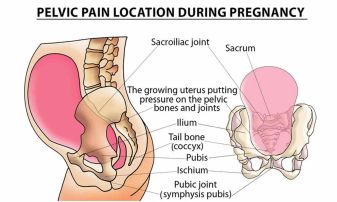
The pelvis serves as the foundation for the spine. When pelvic movement becomes uneven—such as when one side rotates or shifts differently than the other—it can increase strain on the lower back and surrounding structures. This type of imbalance is common during pregnancy and may intensify as weight increases and ligament support changes.
Pelvic imbalance can influence how comfortable daily activities feel, including walking, standing, sitting, and sleeping. Some mothers notice pain concentrated on one side of the lower back, while others experience discomfort that radiates into the hips or thighs.
Supporting balanced pelvic movement is a central focus of prenatal chiropractic care. Improving coordination and alignment may help reduce unnecessary strain on the spine and allow the body to adapt more comfortably as pregnancy progresses.
How Prenatal Chiropractic Care Supports Comfort
Prenatal chiropractic care is specifically adapted to the needs of a pregnant body. Care is gentle, conservative, and focused on improving movement and alignment rather than forceful correction.
Dr. Amber evaluates spinal and pelvic motion, posture, and areas of tension using pregnancy-appropriate techniques. Adjustments are designed to support balanced movement and reduce strain, always prioritizing comfort and safety for both mother and baby.
Many mothers seek care because they want to remain active, sleep more comfortably, and feel more confident moving as their body changes. While individual experiences vary, prenatal chiropractic care is commonly used as part of a supportive approach to managing pregnancy-related discomfort.
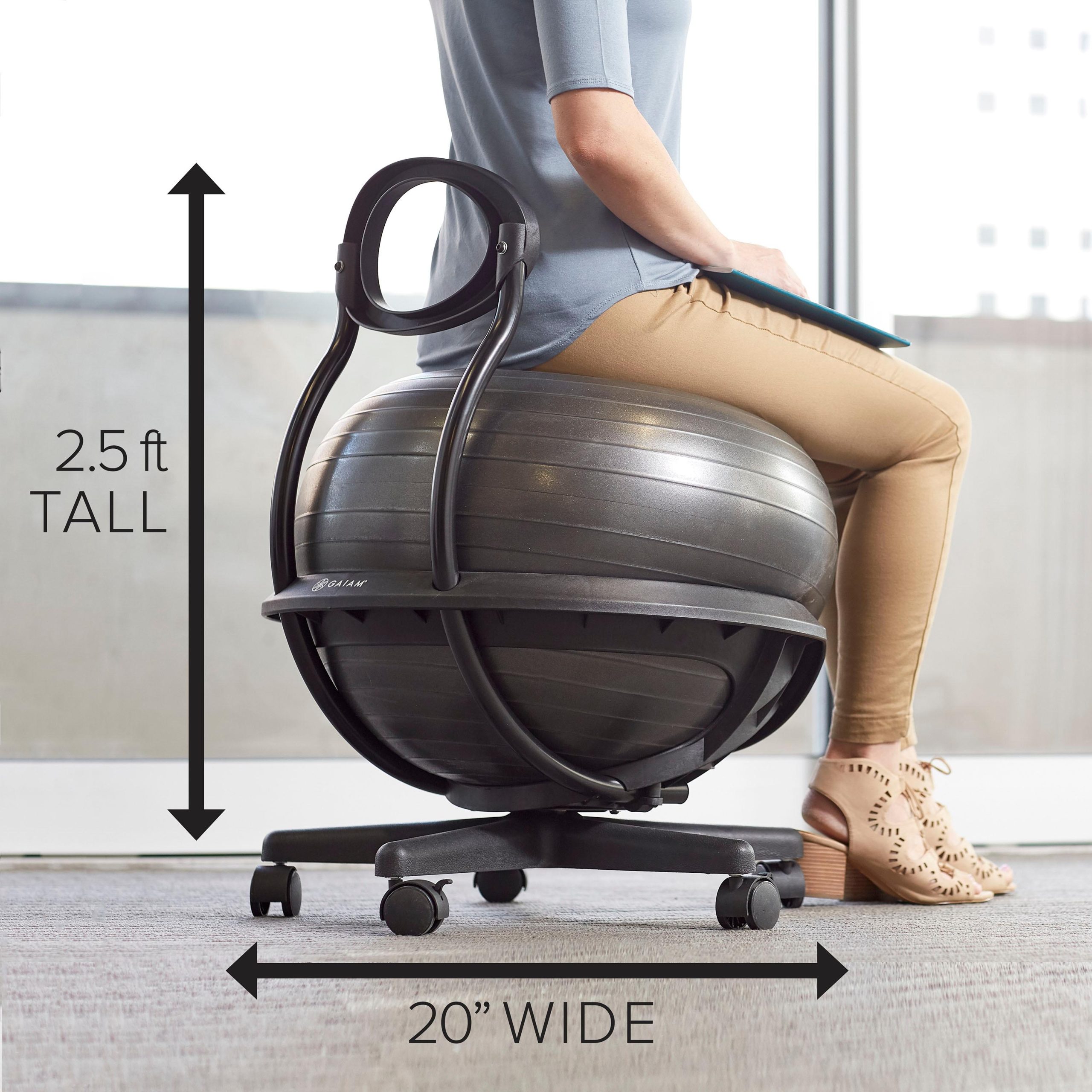
Yoga Ball Chair
Preparing your body early can make a meaningful difference in how pregnancy feels as it progresses. We often encourage expecting mothers to focus on gentle lower-back and core-supporting exercises before entering the second trimester, when postural changes and ligament laxity increase physical demands. For working moms, incorporating a high-quality yoga ball chair during the day can also be helpful. Sitting on a stability ball encourages active posture, supports pelvic movement, and may reduce prolonged strain from traditional desk chairs. Used alongside prenatal chiropractic care, these simple habits can support comfort, mobility, and endurance as your body adapts to pregnancy. This is one area where investing in quality is important, as well-made yoga ball chairs use reinforced bases and anti-burst construction to prevent sudden deflation and improve overall stability.
Addressing Fear and Fatigue Related to Pregnancy Pain
Persistent back or pelvic pain during pregnancy can affect far more than physical comfort. Many expecting mothers worry about whether pain will worsen, interfere with labor, or signal a more serious issue. When discomfort becomes unpredictable or constant, it can create hesitation around movement and add emotional strain to an already demanding season.
Taking time to understand what is happening in the body—and why discomfort may be occurring—can be profoundly reassuring. Pregnancy-related pain often has a mechanical explanation tied to posture, pelvic balance, and movement patterns, rather than a sign that something is wrong with the pregnancy itself.
Prenatal chiropractic care places a strong emphasis on education alongside hands-on support. Helping mothers feel informed and confident about what their bodies are doing can reduce anxiety, restore a sense of control, and make it easier to move through pregnancy with greater comfort and assurance.
Serving McKinney and the Greater DFW Area
Legacy Family Chiropractic is located in McKinney, Texas and works with expecting mothers from Allen, Frisco, Prosper, and surrounding North Dallas and DFW communities who are experiencing back pain or pelvic discomfort during pregnancy. Many women reach out after realizing that ongoing pain is affecting sleep, mobility, or their ability to stay active as pregnancy progresses.
Expecting mothers often seek care here when they want a conservative, pregnancy-informed approach that is clearly explained and respectful of their overall prenatal plan. Rather than being told discomfort is simply “part of pregnancy,” they are looking for support that acknowledges their experience and explores contributing factors.
Dr. Amber Galipp-Leger works with mothers who value thoughtful evaluation, realistic expectations, and collaborative care. The focus is on supporting comfort, mobility, and confidence while encouraging ongoing communication with OBs and midwives.
When to Seek Support for Pregnancy-Related Back Pain
If back pain or pelvic discomfort is interfering with sleep, limiting daily movement, or making routine activities more difficult, it may be time to explore supportive care options. While some level of discomfort is common during pregnancy, persistent or worsening pain deserves context and evaluation.
Prenatal chiropractic care is commonly used alongside routine prenatal care and does not replace medical evaluation. Always consult your OB or midwife regarding pain, monitoring, and delivery planning.
Don’t Ignore Pregnancy Back Pain—Support Your Body Early
If you are experiencing ongoing back pain, pelvic discomfort, or difficulty moving comfortably during pregnancy, addressing underlying imbalance early may help prevent symptoms from intensifying as your body continues to change.
At Legacy Family Chiropractic, Dr. Amber Galipp-Leger helps expecting mothers better understand what may be contributing to their discomfort and provides gentle, pregnancy-safe care focused on alignment and movement.
Call (214) 880-6330 today to schedule a prenatal chiropractic evaluation and learn how supportive care may help you move more comfortably through pregnancy.
Medical disclaimer: This content is for educational purposes only and does not replace medical advice, diagnosis, or treatment. Always consult your OB or midwife regarding pregnancy-related pain, monitoring, and delivery planning.